top of page

beware black water
Black water is a term that basically means raw sewage - When your toilet stops flushing because the City Sewer system has gone down, you need to realize that there are more toilets upstream, and downstream of you, and your actions, will have dire consequences.

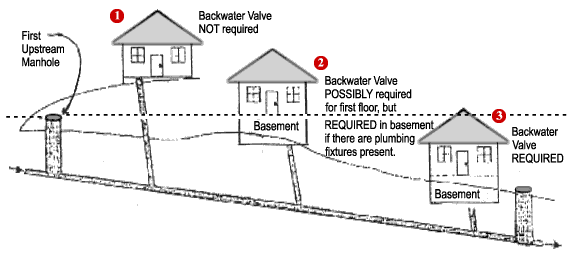
think upstream and downstream
If connected to a city system (not septic) your toilet and home is part of a network. that network uses water to flush everything downstream to the city sewer plant. If that path to the sewer plant gets disrupted (think earthquake or flooding), everyone's flushes are just going to fill the pipe, and will start coming into your homes. especially if you are downstream or at a lower level.
Folks upstream of you can keep flushing their toilets, as long as they have water to pour into the bowl, little realizing their waste is going into your basement.
Don't keep flushing your toilet if there is any possibility that the system is broken, plugged or backing up.

know how to protect your home
If you think there is danger of sewage backup, you need to be able to act quickly with simple tools you have at hand or have prepared.
Every drain connected to the sewer can have blackwater come up through it (don't forget laundry room or garage floor drains, sinks, bathtubs, showers etc.)
Seals need to be TIGHT or they will be popped out due to WATERHAMMER effect
Toilets are not made and sealed to prevent waste coming from the other direction. They have a wax seal, but this won't be enough to prevent leakage from under the toilet. caulk securely to the floor all around the toilet, bolts too.
Newer home sometimes have a
Back Water valve
or
Manual valve to the sewer line installed, so that you can shut off your house from the sewer.
evacuate
If a basement fills with sewage during an emergency, with limited clean resources, you HAVE to leave the cess pool.
Abandon supplies.
There just isn't enough disinfectants and clean water.
If you don't have a basement, sewage will come up in the streets first.
If this problem arrives, you have to be ready on-site and act before it arrives. A sewer backflow preventer can buy you time and peace-of-mind.
Get warning from a neighbor down-hill from you. when their basement floods, yours is next. be prepared to act quickly.


plugs
Have plugs ready for all your drains
1. commercial test ball plugs can be a bit spendy - make sure you buy the right sizes - they can also deflate over time and need tightened.
2. A rubber ball in a tube sock that fits tight
3. Wadded cotton rags smothered in crisco or grease
using tube socks or something similar is great, so that you can remove the plug when things revert to normal. but needing a new toilet isn't the end of the world if you were able to protect your home.
Plugs need to be tight, so that they don't pop out. WATERHAMMER surge will blow plugs out, so screw covers back on.
On sinks and drains, screw the cover back on after placing the plug - this is a great security to keep it from popping back out.
Don't use tennis balls, or nerf balls - they need to be solid rubber- not foam (rubber foam ok - but water tight - can be cut to fit)
Racquet balls fit some toilets, but tend to be too small.
wrap in a sock, greased nylon, or bag so that they can be retrieved.
If the situation proves to be long term - you can pour in cement and permanently plug your toilet or sewer pipe. yes, this will cost quite a bit to replace if/when infrastructure returns, but may be a small sacrifice to protect much more.


instructions
Step 1: Dip water out of toilet
Step 2: use the water from the tank to get the bowl super clean
Step 3: Insert test ball
Step 4: Plug tight with rubber ball, using grease or Crisco to make it air and water tight
Do the same with sinks, floor drains, bathtubs, showers etc. especially in basements, garages and on the first floor.
don't forget drains in your garage near your water heater, or in laundry rooms etc.
Sources Cited: For a more in-depth learning module on this subject see the courses available for free and for site members ($5.99/month fee) at www.Jimsway.com. All thanks goes to Jim Phillips for his research and life dedicated in teaching provident living.
bottom of page